Sale!
Apple ‘Isaac Newton’
Original price was: £26.99.£18.89Current price is: £18.89.
- Experience the Best Quality
- Nature-friendly materials, for a better planet.
- Effortless solutions, excellent customer care.
- Quality Meets Affordability

- Position: Full sun
- Soil: Moderately fertile, moist but well-drained soil
- Rate of growth: Average
- Flowering period: April and May
- Hardiness: Fully hardy
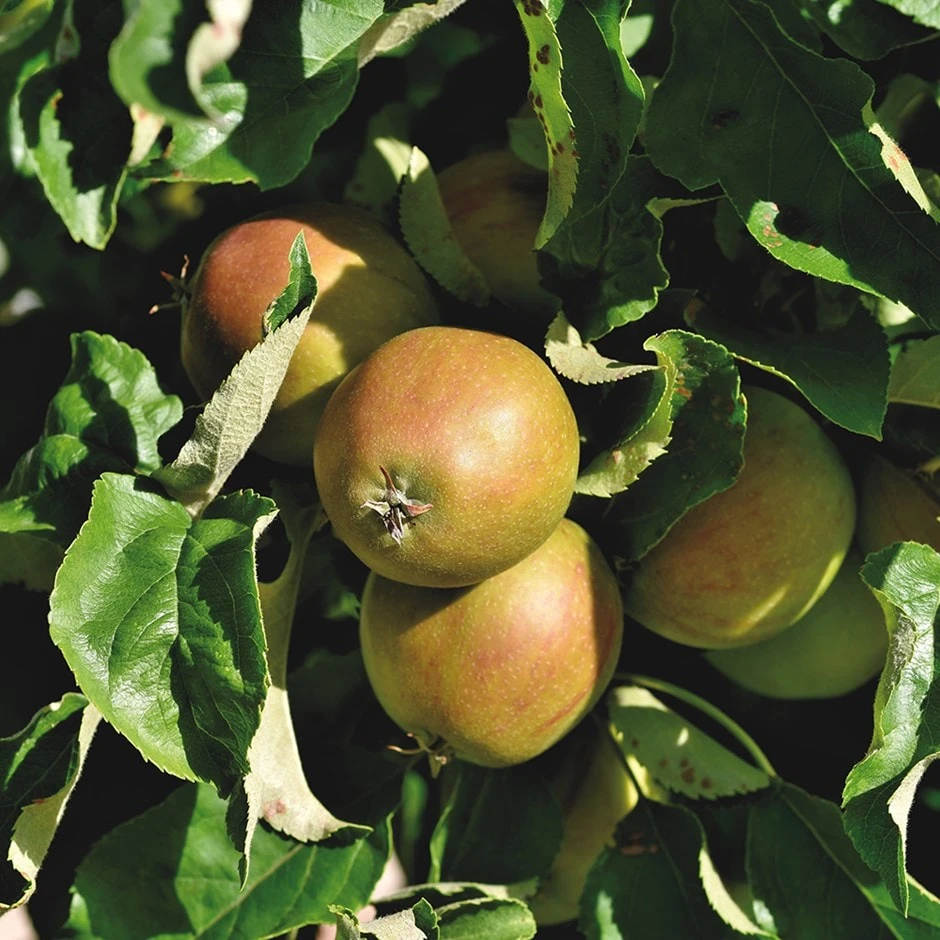
Grow and eat the apple that helped discover gravity! ‘Isaac Newton’ has a historic background, making this variety very special having been propagated from the apple tree whose parentage goes back to Sir Isaac Newton’s garden at Woolsthorpe, Lincolnshire in 1600. Its mid-october ripening fruit are large, greenish-yellow with dull red stripes and are excellent for purées and cooking. In spring, the tree is covered in pink-flushed, white blossom. Pollination information: This apple belongs to pollination group 3, however it is partially self fertile, so does not need a pollinating partner to produce a crop of apples. For a bumper crop, it can be cross-pollinated with other apples in this group.
Keep the base of the tree weed free, fertilise at the beginning of each year and water regularly during hot, dry spells. The main prune should be done in the winter as long as it isn’t frosty or freezing. Take out the 3D’s (dead, dying and diseased wood) and create an open shape. Then reduce the leaders back by a third. Aim to create an airy structure without any crisscrossing branches. In August summer prune. Shorten any side shoots (or laterals) which are longer than 20cm back to three leaves. This will allow the sun to ripen the fruit and encourage more fruit buds. Make sure that the growth you’re cutting away feels firm to the touch.
| Option | bare root, M26 root stock, 1.2m |
|---|
Be the first to review “Apple ‘Isaac Newton’”
Related products
Sale!
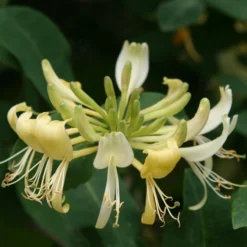
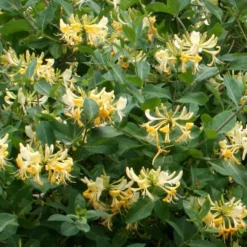
Original price was: £27.99.£19.59Current price is: £19.59.
Sale!
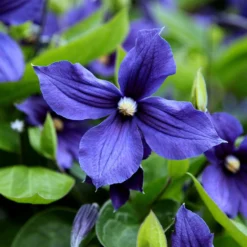
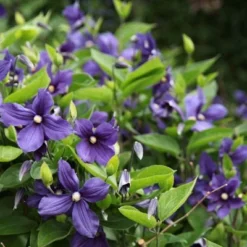
Clematis
Original price was: £27.99.£19.59Current price is: £19.59.
Sale!
Climbers
Original price was: £27.99.£19.59Current price is: £19.59.
Sale!

Clematis
Original price was: £29.99.£20.99Current price is: £20.99.
Sale!
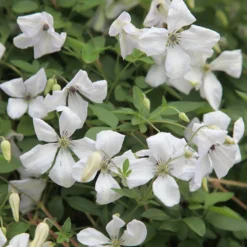
Clematis
Original price was: £27.99.£19.59Current price is: £19.59.
Sale!
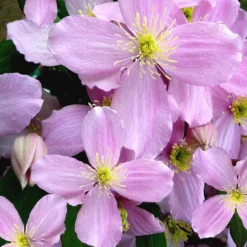
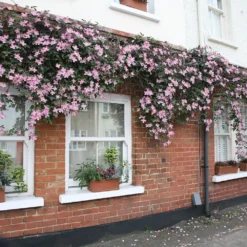
Original price was: £24.99.£17.49Current price is: £17.49.
Sale!
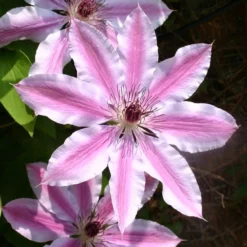
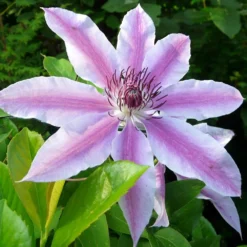
Clematis
Original price was: £24.99.£17.49Current price is: £17.49.
Sale!
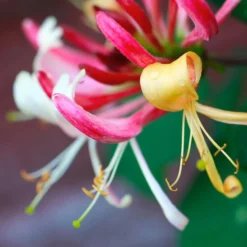
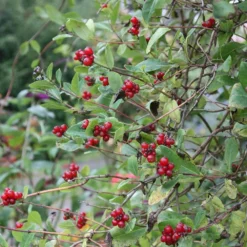
Climbers
Original price was: £27.99.£19.59Current price is: £19.59.
Reviews
There are no reviews yet.